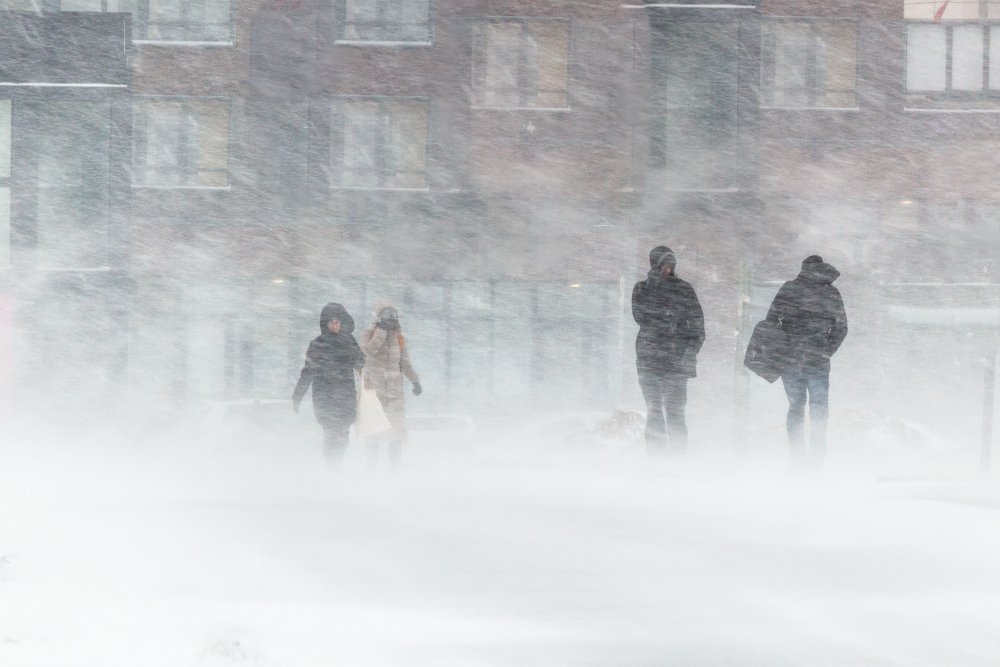
Introduction: Major Blizzards
Have you ever wondered how a blizzard can wreak such havoc on our lives and homes? The destructive power of these massive snowstorms goes far beyond just the inconvenience of snow-covered streets. Over the past few decades, numerous blizzards have left a trail of devastation, significantly impacting society.
In this article, we will analyze some of the most significant blizzards in recent history, focusing on their damaging effects on people and homes. We’ll also discuss the critical role of snow removal tools, like roof rakes, in mitigating these impacts. Understanding these elements can help us better prepare for future storms and safeguard our properties.
Major Blizzard Events (1950-Present)
1950 Great Appalachian Storm
Event Overview: The Great Appalachian Storm, occurring in November 1950, was one of the most severe blizzards to hit the United States. It brought massive snow accumulations, high winds, and severe flooding.
Impact:
- Casualties: The storm resulted in 160 deaths.
- Property Damage: The combination of heavy snowfall and high winds led to extensive property damage across the region.
- Economic Impact: The economic losses were substantial, with estimated damages of $66.7 million at the time (equivalent to approximately $647 million today).
Aftermath:
- Flooding: Rapid snowmelt caused severe flooding along the Ohio River, significantly affecting cities like Cincinnati.
- Response Improvements: The aftermath of the storm led to advancements in weather forecasting and emergency response protocols, aiming to mitigate the impact of future storms.
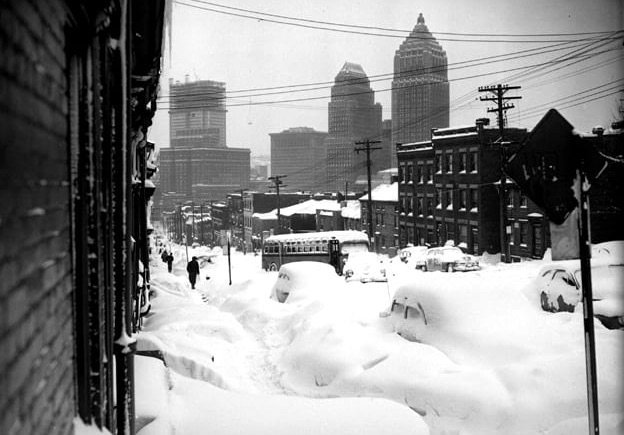
1967 Chicago Blizzard
Event Overview: In January 1967, Chicago experienced one of its most severe blizzards. The storm paralyzed the city with 23 inches of snow within 29 hours.
Impact:
- Casualties: The blizzard caused 60 deaths.
- Disruptions: Over 20,000 cars were stranded, and massive traffic disruptions ensued, including major airport closures.
- Economic Losses: The city faced significant economic losses due to halted transportation and business activities.
Aftermath:
- Structural Damage: Many older buildings suffered roof collapses and structural failures.
- Response Improvements: The storm led to advancements in snow removal techniques and enhanced emergency response protocols.
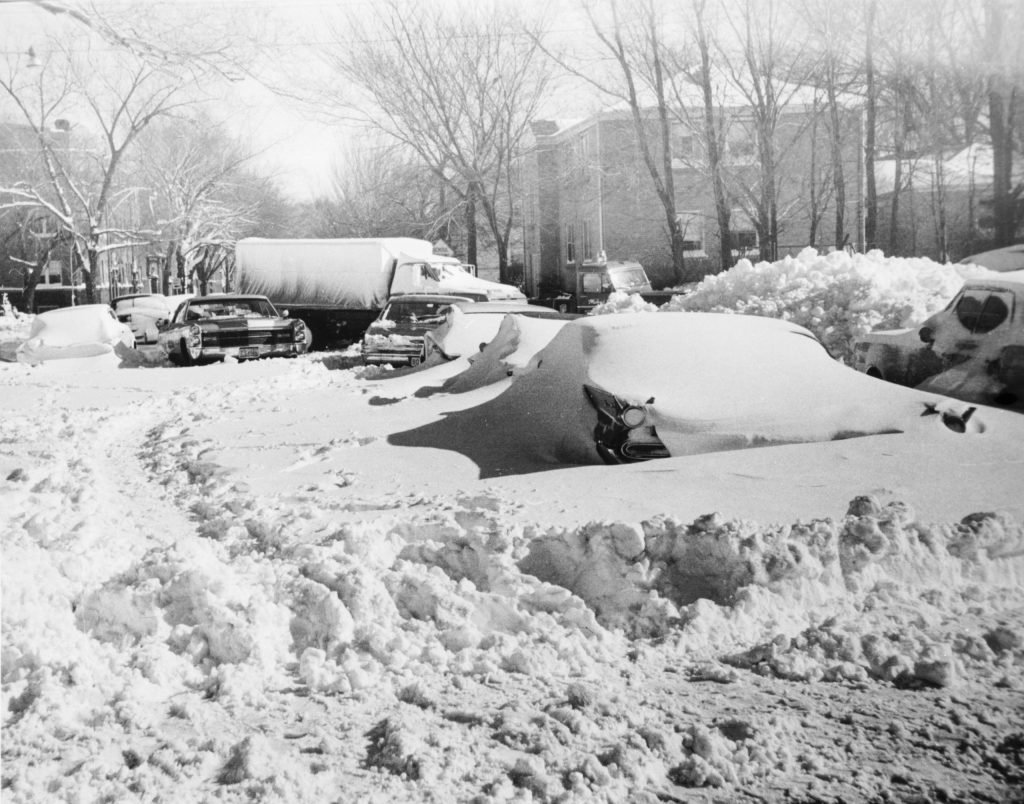
1978 Northeastern United States Blizzard
Event Overview: The Blizzard of 1978 hit the Northeastern United States in early February, dumping up to 27 inches of snow in some areas and paralyzing the region.
Impact:
- Casualties: The storm resulted in 99 deaths.
- Power Outages: Widespread power outages occurred, affecting millions.
- Infrastructure Damage: Extensive damage to homes and public infrastructure was reported.
Aftermath:
- Economic Impact: The economic impact was significant, with billions in damages.
- Response Improvements: The blizzard led to improved emergency response protocols and better building codes to withstand heavy snow loads.
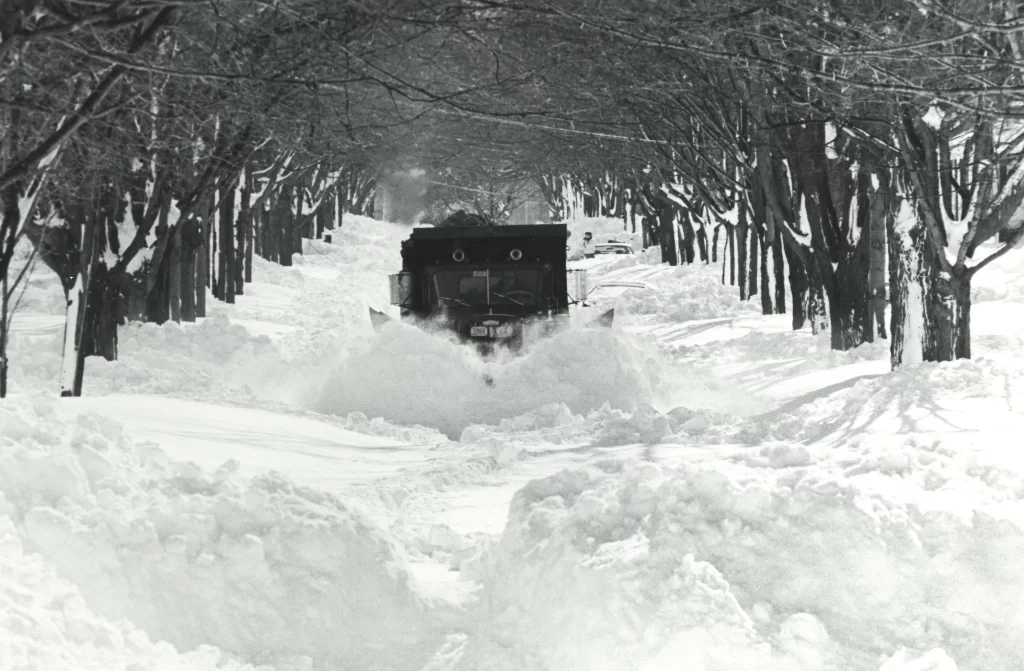
1993 Storm of the Century
Event Overview: The Storm of the Century in March 1993 affected the entire eastern seaboard, from Florida to Maine. It brought blizzard conditions, severe thunderstorms, and coastal flooding.
Impact:
- Casualties: The storm caused 270 deaths.
- Damage Extent: The snow, ice, and wind affected 26 states, causing extensive damage.
- Economic Losses: The economic losses were estimated to be over $5 billion.
Aftermath:
- Infrastructure Damage: Significant infrastructure damage and long-lasting power outages were reported.
- Response Improvements: The storm led to advancements in weather forecasting and emergency response coordination across multiple states.
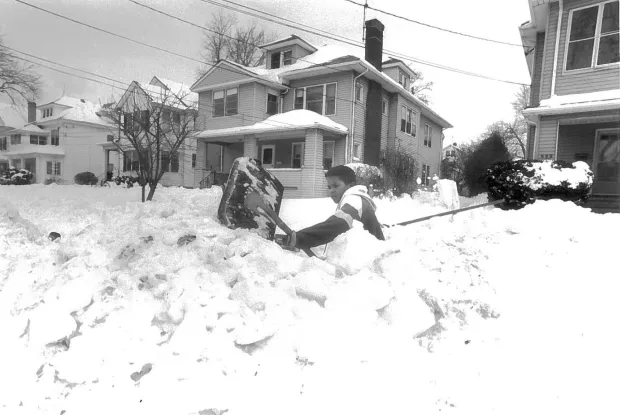
2003 President’s Day Storm II
Event Overview: The President’s Day Storm II in February 2003 blanketed the Mid-Atlantic and Northeast with up to 30 inches of snow.
Impact:
- Casualties: The storm resulted in 20 deaths.
- Disruptions: Widespread disruptions in transportation and daily life were reported.
- Economic Losses: Significant economic losses due to business closures and transportation delays.
Aftermath:
- Structural Damage: Extensive damage to homes and buildings due to the weight of the snow.
- Response Improvements: The storm emphasized the importance of timely snow removal and robust emergency response plans.
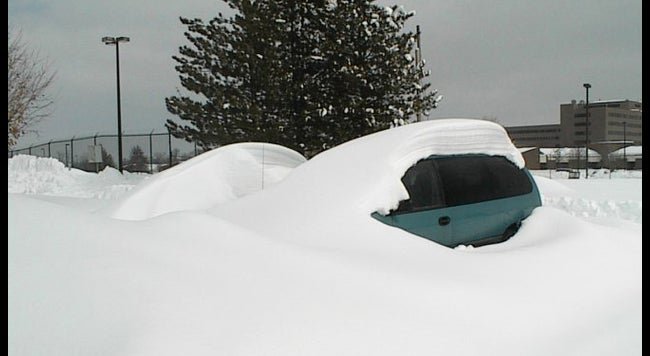
2011 Groundhog Day Blizzard
Event Overview: The Groundhog Day Blizzard of February 2011 brought severe snow and ice storms to the Midwest and Northeast.
Impact:
- Casualties: The storm caused 36 deaths.
- Utility Disruptions: Significant disruptions to utilities and transportation networks were reported.
- Economic Losses: Billions of dollars in damages were incurred.
Aftermath:
- Structural Damage: Roof collapses and ice dams led to extensive damage to homes.
- Response Improvements: The storm highlighted the need for effective snow and ice management practices, including the use of tools like roof rakes to prevent roof collapses.
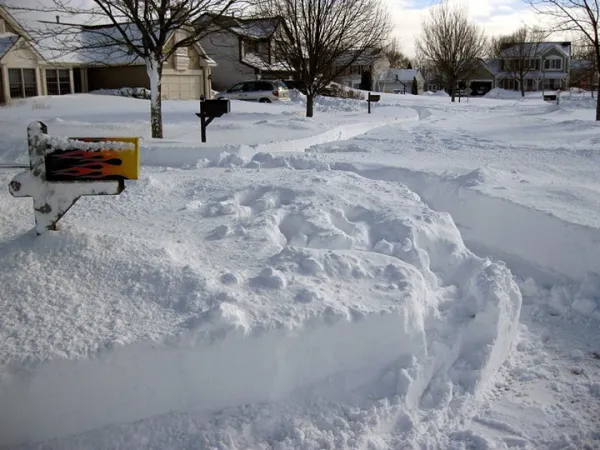
2019 Bomb Cyclone
Event Overview: In March 2019, the Bomb Cyclone brought extreme weather conditions, including heavy snow, strong winds, and severe flooding, affecting 25 states.
Impact:
- Damage Extent: Extensive damage to homes, infrastructure, and transportation networks was reported.
- Economic Losses: Billions in damages were incurred.
- Casualties: Several fatalities and numerous injuries were reported.
Aftermath:
- Response Improvements: The event underscored the importance of emergency preparedness and effective snow removal strategies to protect properties and infrastructure.
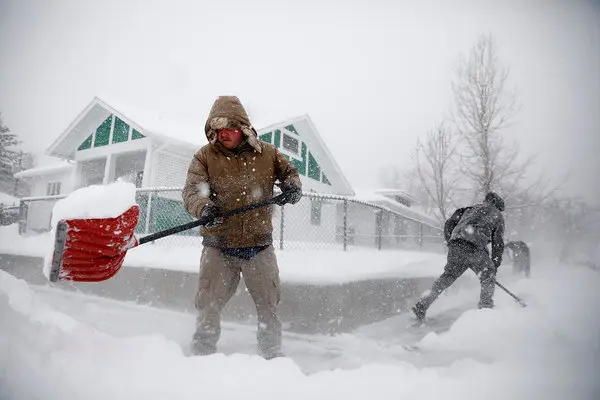
Blizzards pose a significant threat to people and property, causing extensive damage and economic losses. Proactive measures, such as timely snow removal using tools like roof rakes, are essential to mitigate these impacts and safeguard our homes. Understanding the history and impact of these major blizzards helps us better prepare for future storms.
Impact of Blizzards on Homes
Structural Damage
Heavy snow accumulation poses a serious risk to homes, particularly older buildings with weaker structures. As snow piles up on roofs, the weight can exceed the building’s load-bearing capacity, leading to roof collapses. This is especially problematic in regions unaccustomed to heavy snowfall, where roofs are not designed to handle significant snow loads.
Detailed Effects:
- Roof Collapses: When snow accumulates on roofs, the weight can cause them to cave in, leading to severe structural damage and safety hazards for the occupants.
- Walls and Foundations: Excessive snow can also exert pressure on walls and foundations, leading to cracks and long-term structural weaknesses.
Water Damage
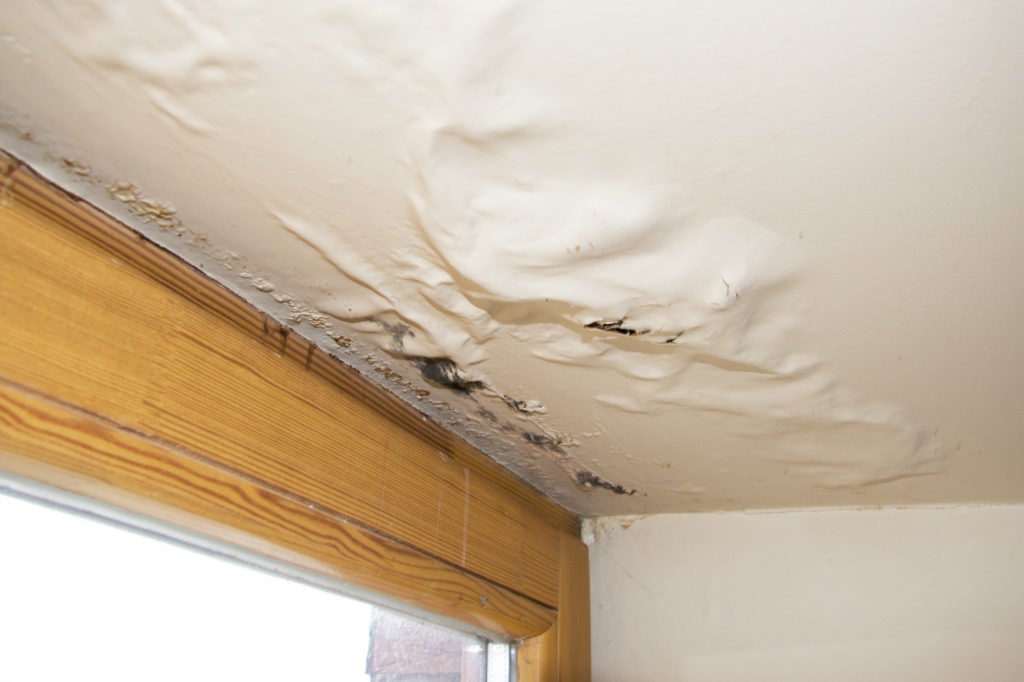
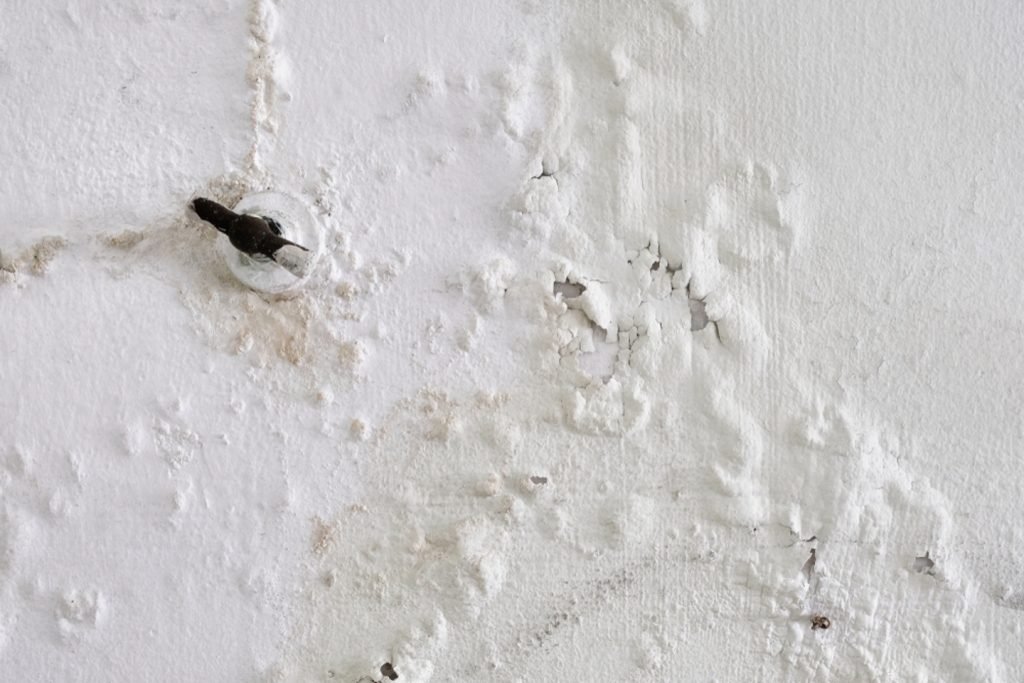
Melting snow can cause significant water damage to homes. As snow melts, water can seep into roofs, walls, and foundations, leading to leaks, mold growth, and wood rot. This can compromise the structural integrity of the home and pose health risks to its occupants.
Detailed Effects:
- Roof Leaks: Melting snow can infiltrate roofing materials, causing leaks and water damage to ceilings and attic spaces.
- Mold Growth: Persistent moisture from snowmelt can lead to mold growth, which is harmful to health and difficult to remediate.
- Wood Rot: Water seeping into wooden structures can cause rot, weakening the wood and potentially leading to structural failures.
Ice Dams
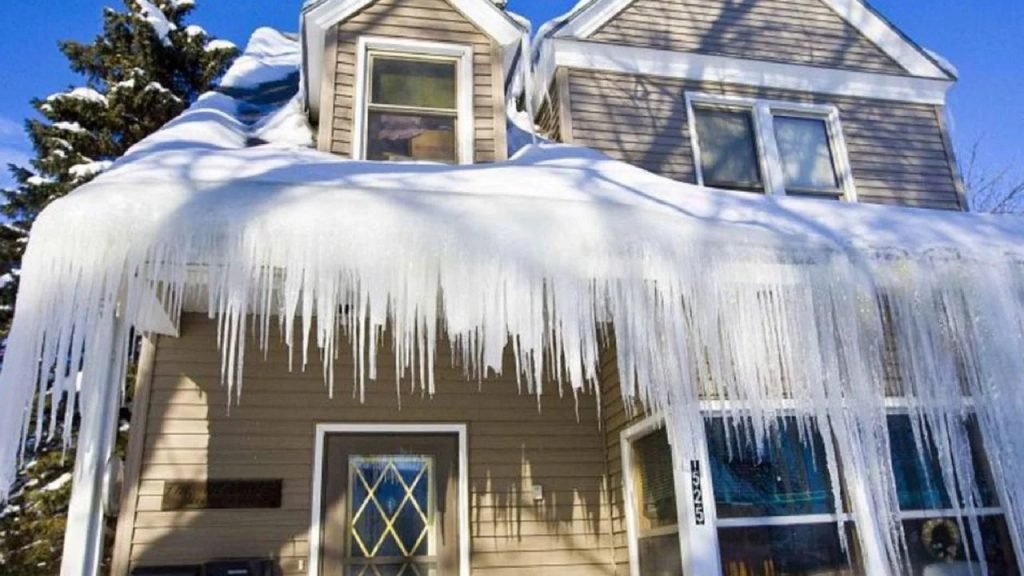
Ice dams form when the heat from the attic melts the snow on the roof, and the water runs down to the eaves and refreezes. This cycle creates a buildup of ice at the roof edge, preventing proper drainage and leading to water backup and damage.
Detailed Effects:
- Roof Damage: The weight of ice dams can damage shingles and gutters.
- Water Infiltration: Water trapped by ice dams can seep under roofing materials, leading to leaks and extensive water damage inside the home.
- Costly Repairs: Fixing damage caused by ice dams can be expensive and time-consuming, often requiring professional intervention.
❗❕❗❕Click here to learn more about ice dams!
Why Snow Removal Tools Are Essential
Roof Rake Benefits
Using a roof rake to remove snow from your roof is a simple yet effective way to prevent significant damage during winter storms. Here’s why roof rakes are indispensable:
Prevents Roof Collapse
- Heavy snow loads can cause immense stress on your roof, leading to potential collapses. Regularly using a roof rake to remove snow can significantly reduce this risk. This proactive approach ensures that your home remains structurally sound even during severe snowstorms.
Reduces Ice Dam Formation
- Ice dams can form when the heat from your attic melts snow on the roof, which then refreezes at the eaves. These ice dams can cause water to back up under shingles, leading to leaks and extensive water damage. By clearing snow before it has a chance to melt and refreeze, roof rakes help maintain the integrity of your roof.
Cost-Effective Maintenance
- Investing in a roof rake is a cost-effective way to prevent long-term damage and avoid high repair costs. Regular maintenance using this tool can save homeowners from the expensive and extensive repairs often required after winter storms. By preventing issues like roof collapses and water damage, a roof rake pays for itself many times over.
Practical and Easy to Use
- Roof rakes are designed for ease of use, allowing homeowners to clear snow without having to climb onto the roof. This not only makes the task safer but also more convenient, ensuring that snow removal becomes a regular and manageable part of winter home maintenance.
Other Essential Snow Removal Tools
While roof rakes are crucial, there are other tools that can help maintain your property during winter:
Snow Shovels
- Snow shovels are versatile tools essential for clearing driveways, walkways, and other flat surfaces. Choosing a sturdy, ergonomic shovel can make the task easier and reduce the risk of back injuries.
Snow Blowers
- For those with larger footprints or heavy snowfall, snow blowers are invaluable. These machines can quickly clear large areas of snow, making them ideal for driveways and larger walkways.
Ice Melt Products
- Using ice melt products can help prevent slippery surfaces and reduce the risk of falls. These products can also aid in breaking down ice dams, further protecting your roof and home.
Investing in snow removal tools like roof rakes, snow shovels, and snow blowers is essential for maintaining your home during the winter months. These tools help prevent structural damage, reduce the risk of ice dams, and ensure that your property remains safe and accessible. By incorporating these tools into your winter maintenance routine, you can protect your home and avoid costly repairs in the future.
Conclusion: Major Blizzards
Blizzards pose a serious threat to people and property, causing extensive damage and necessitating proactive measures to mitigate their impact. The structural and water damage from heavy snow and ice can be devastating, emphasizing the importance of effective snow management practices.
Take action to protect your home this winter. Invest in essential snow removal tools like roof rakes to ensure roof safety and extend the lifespan of your building. By staying proactive and prepared, you can safeguard your property and prevent costly damage. Let’s prioritize our home’s safety and resilience against the harsh winter elements.