Introduction
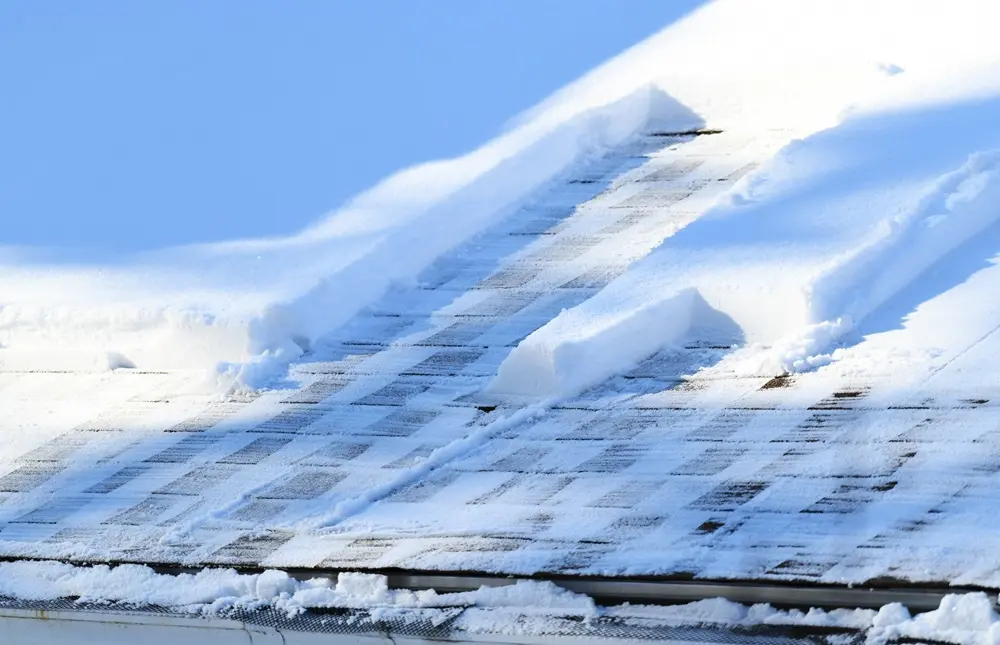
Have you ever wondered just how much snow buildup on your roof can really impact your home? It might seem harmless at first, but even a few inches of snow can add a surprising amount of weight, putting significant strain on your roof. If left unchecked, this accumulation can lead to costly damage and even structural problems. Roofs with shallow pitches are particularly vulnerable, as the snow has nowhere to go and just keeps piling up. So, what can you do to prevent this winter hazard from turning into a nightmare?
As temperatures drop and winter settles in, it’s crucial to give your roof the attention it needs. Regular maintenance and timely snow removal can make all the difference in protecting your home. This blog is here to help you understand the risks of snow buildup on your roof and provide practical tips to keep your roof—and your home—safe all winter long. Don’t wait until it’s too late; a little preparation now can save you from big headaches later.
Understanding Snow Buildup on Roofs
What is Roof Snow Buildup?
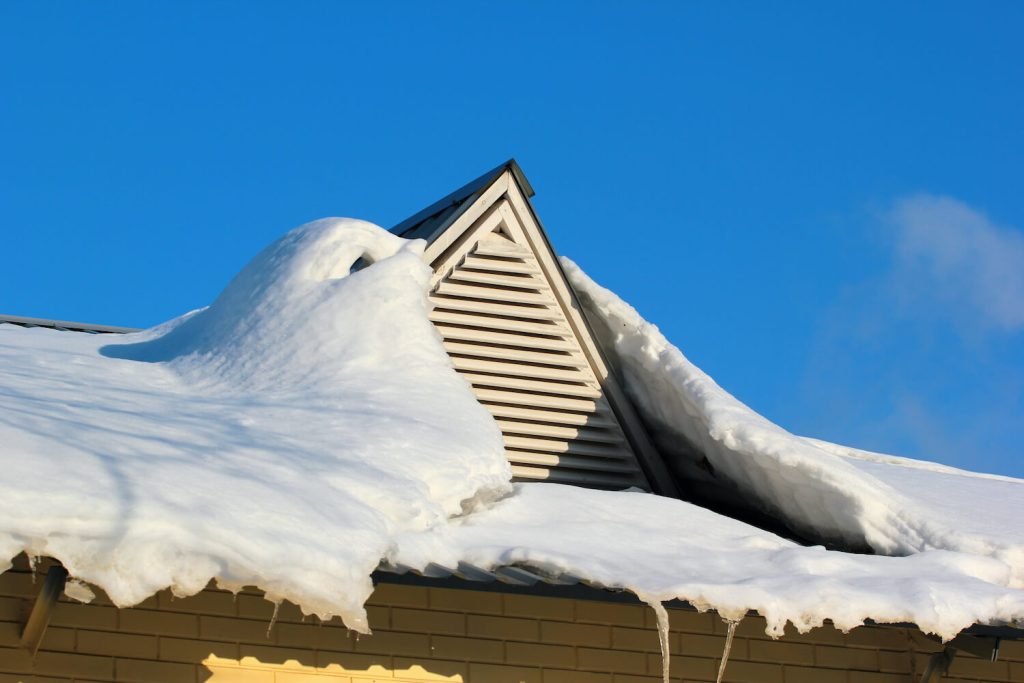
Roof snow buildup happens when snow accumulates on your roof and stays there for an extended period. It might not seem like a big deal at first, but even a few inches of snow can add up to a heavy load, putting extra stress on your roof. This buildup can lead to all sorts of issues, from ice dams to roof leaks, and even structural damage if the snow isn’t properly managed.
So, what’s the big deal about snow buildup? Well, the weight of snow can vary, and the older it gets, the more compact and heavier it becomes. For instance, fresh snow can weigh around 20 pounds per cubic foot, while older, packed snow can weigh up to 40 pounds per cubic foot! This means that the longer you let snow sit on your roof, the heavier and more dangerous it becomes.
❄️Want to know how to figure out how much snow weighs on your roof? Check out this blog post on the Snow Load Calculator!
How Roof Snow Builds Up
Roof snow buildup occurs when snow falls on your roof and isn’t removed or melted away. It happens most often in areas with heavy snowfall and cold temperatures where snow doesn’t melt quickly. As more snow falls, the layers pile up, and over time, the snow can become compacted and even turn into ice. This buildup can create significant weight on your roof and lead to various problems if not addressed.
Here’s the deal: snow falls, it sticks to your roof, and if it’s not taken care of, it starts to pile up. Add in some cold weather, and that snow isn’t going anywhere fast. This is particularly true for roofs that aren’t steep enough to let the snow slide off naturally. So, the snow just sits there, getting heavier and more compacted, increasing the risk of damage to your home.
Factors Contributing to Roof Snow Buildup
Several factors can contribute to snow buildup on your roof, including:
- Climate: Regions with frequent snowfall and freezing temperatures are more prone to roof snow buildup. If you live in an area where snowstorms are common, your roof is likely to see significant snow accumulation during the winter months.
- Roof Design: The pitch and material of your roof play a significant role in how snow accumulates.
- Low-pitched roofs tend to hold more snow because they don’t have enough slope for the snow to slide off naturally.
- Steeper roofs are less prone to snow buildup because the snow tends to slide off more easily. However, if snow does accumulate on a steep roof, it can create dangerous avalanches of snow and ice.
- Roofing materials like metal or slate can also impact snow accumulation, as these surfaces tend to be smoother, allowing snow to slide off more easily compared to rougher surfaces like asphalt shingles.
- Obstructions: Things like chimneys, skylights, and vents can obstruct the snow’s natural flow off the roof, leading to localized buildup around these features. This can cause uneven distribution of weight and increase the risk of damage in specific areas of your roof.
- Sun Exposure: Roofs that get less sunlight, either due to orientation or shade from trees, are more likely to retain snow longer. The sun can help to melt snow and ice, reducing the overall buildup on your roof.
Understanding these factors is crucial for homeowners looking to prevent roof snow buildup and its associated risks. By recognizing the conditions that contribute to this issue, you can take proactive steps to protect your home during the winter months.
The Impact of Snow Buildup on Your Roof
Additional Weight and Structural Strain
One of the biggest concerns with snow buildup is the additional weight it adds to your roof. Snow might look light and fluffy when it’s falling, but when it piles up, it can become incredibly heavy. The weight of the snow depends on several factors, including its moisture content and how long it has been sitting on your roof.
Weight of Snow: Fresh vs. Compacted
Fresh snow typically weighs around 20 pounds per cubic foot, but as it compacts, the weight can double to about 40 pounds per cubic foot or more. This is because fresh snow is mostly air, but as it sits and begins to settle, the air is squeezed out, and the snow becomes denser. If the snow melts slightly and then refreezes, it becomes even heavier, adding to the strain on your roof. Imagine your roof covered in a thick blanket of compacted snow. That’s a lot of weight pressing down on your roof, and if the structure isn’t built to handle it, it can lead to serious issues. Over time, this kind of weight can cause your roof to sag, warp, or even collapse in extreme cases.
Effects on Roof Structure Over Time
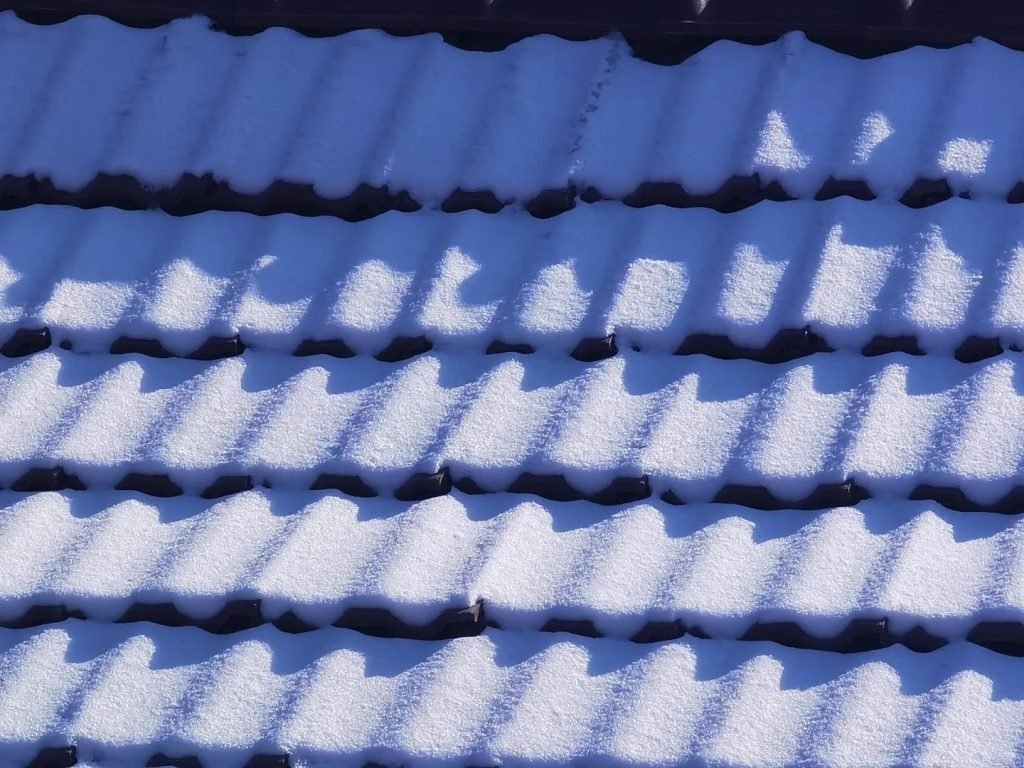
The longer snow sits on your roof, the more pressure it exerts on the underlying structure. This can cause gradual wear and tear, leading to problems like cracked beams, weakened trusses, and other structural damage. If snow is left to accumulate year after year, the damage can build up, potentially leading to costly repairs or even a full roof replacement. The worst-case scenario is a roof collapse, which can be dangerous and expensive to fix. Regularly clearing snow from your roof can prevent these issues, but it’s also important to ensure your roof is designed to handle the weight of snow if you live in a region that experiences heavy snowfall.
Roof Pitch and Snow Accumulation
The pitch of your roof plays a significant role in how snow accumulates and how easily it can be removed.
Explanation of Roof Pitch
Roof pitch refers to the steepness of your roof, which is measured by the number of inches it rises vertically for every 12 inches it extends horizontally. For example, a roof with a 6:12 pitch rises 6 inches for every 12 inches of horizontal distance. The steeper the pitch, the more likely snow will slide off naturally rather than accumulate on the surface.
How Different Pitches Affect Snow Accumulation
Roofs with a shallow pitch are more prone to snow buildup because the snow has a flatter surface to cling to. These types of roofs are common in areas that don’t typically see a lot of snow, but in regions where snowfall is heavy, they can lead to significant problems. On the other hand, roofs with a steeper pitch allow gravity to do the work, helping snow to slide off before it has a chance to accumulate and become heavy. However, steep roofs aren’t without their own risks. When snow slides off a steep roof, it can cause a mini avalanche, which could be dangerous for anyone below or could damage property like cars parked nearby.
Ideal Snowy Region Roof Pitches
For areas that experience heavy snowfall, a roof pitch of at least 6:12 is often recommended, with steeper pitches offering better protection. A steeper roof pitch not only helps prevent snow buildup but also minimizes the risk of ice dams, which occur when melting snow refreezes at the edges of the roof, creating a barrier that prevents further melting snow from draining off. In regions with particularly harsh winters, it might be worth considering a roof pitch as steep as 8:12 or more. This allows the snow to shed more quickly and reduces the likelihood of excessive buildup.
Understanding the relationship between roof pitch and snow accumulation is essential in preventing winter damage to your home. By ensuring your roof has the right pitch for your climate, you can reduce the risks associated with snow buildup and keep your home safe and sound throughout the winter months.
Preventing Snow Damage: Key Strategies
Regular Snow Removal
To prevent snow from causing damage to your roof starts with regular removal. While it might seem like a hassle, keeping your roof clear of snow is essential for maintaining its integrity throughout the winter.
When and How Often to Remove Snow
Timing is everything when it comes to removing snow from your roof. Ideally, you should aim to clear snow after every significant snowfall, especially when the snow accumulation reaches around 6 inches. Waiting too long allows the snow to compact and harden, making it more difficult to remove and increasing the strain on your roof.How often you need to clear snow depends on your local weather patterns. In areas with frequent snowfall, you might find yourself shoveling every few days. It’s better to clear snow more often and deal with smaller amounts than to let it build up.
Tools for Snow Removal: Roof Rakes, Snow Shovels, etc.
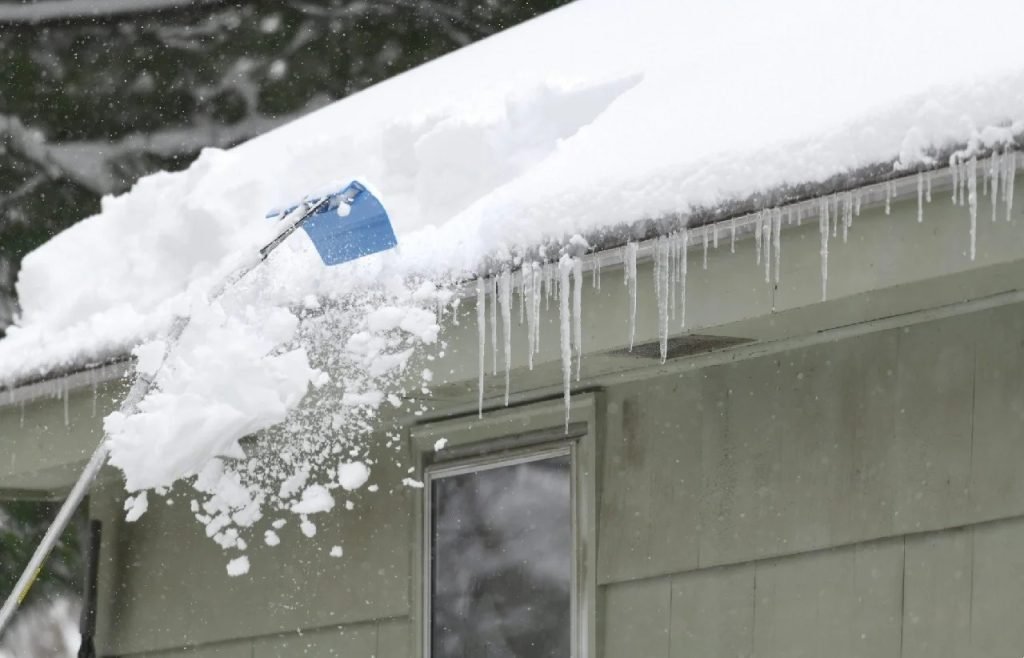
Having the right tools can make all the difference. A roof rake is your best friend when it comes to removing snow from your roof. These rakes have long handles that allow you to reach up to your roof while standing safely on the ground. They’re designed to pull snow off the roof without causing damage to the shingles.If the snow is light and fluffy, you might be able to use a snow shovel from the ground to knock it off. However, be cautious not to climb onto your roof with a shovel, as this can be extremely dangerous. There are also snow removal services you can hire if the job is too big or risky for you to handle alone.
Safety Tips for Snow Removal
Safety should always be a priority when removing snow from your roof. Here are some tips:
- Avoid over-reaching: Always move your ladder instead of stretching too far. Remember, snow removal is crucial, but it’s not worth risking your safety.
- Use the right equipment: A roof rake with rollers can help prevent damage to shingles.
- Work with a partner: Having someone spot you can prevent accidents.
- Watch for ice: Ice can be slippery and dangerous; ensure you have good traction if you’re on the roof.
Ice Dams: Prevention and Management
Ice dams are another major issue that can arise from snow buildup, and they can lead to significant damage if not addressed properly.
What Are Ice Dams and How Do They Form?
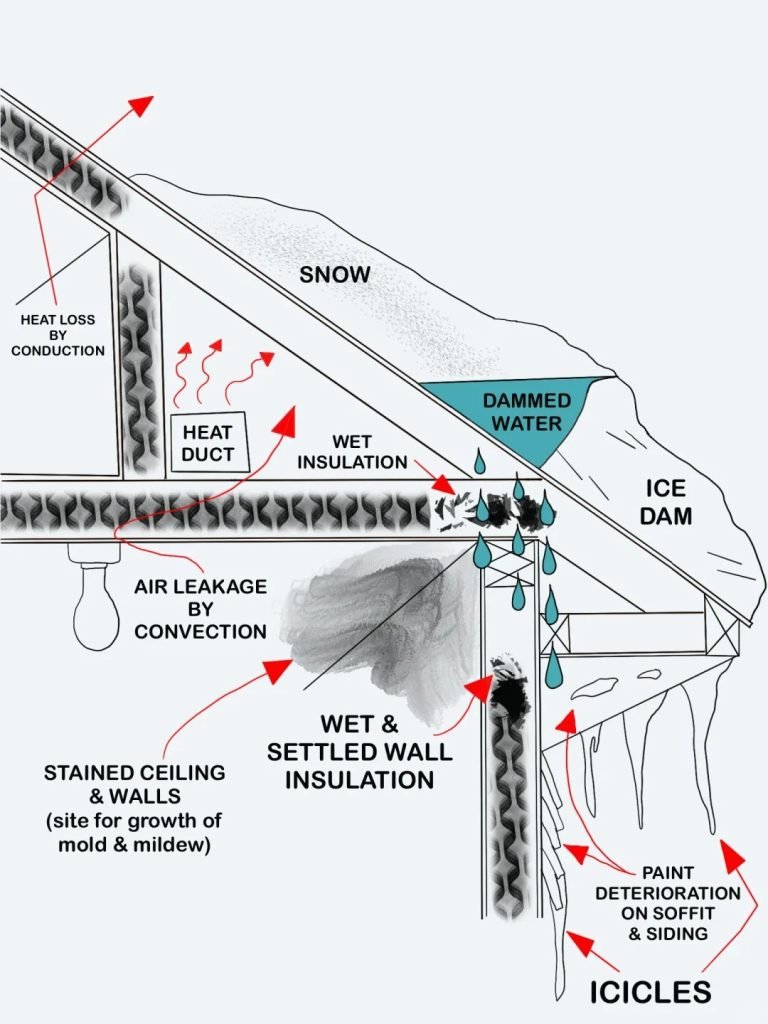
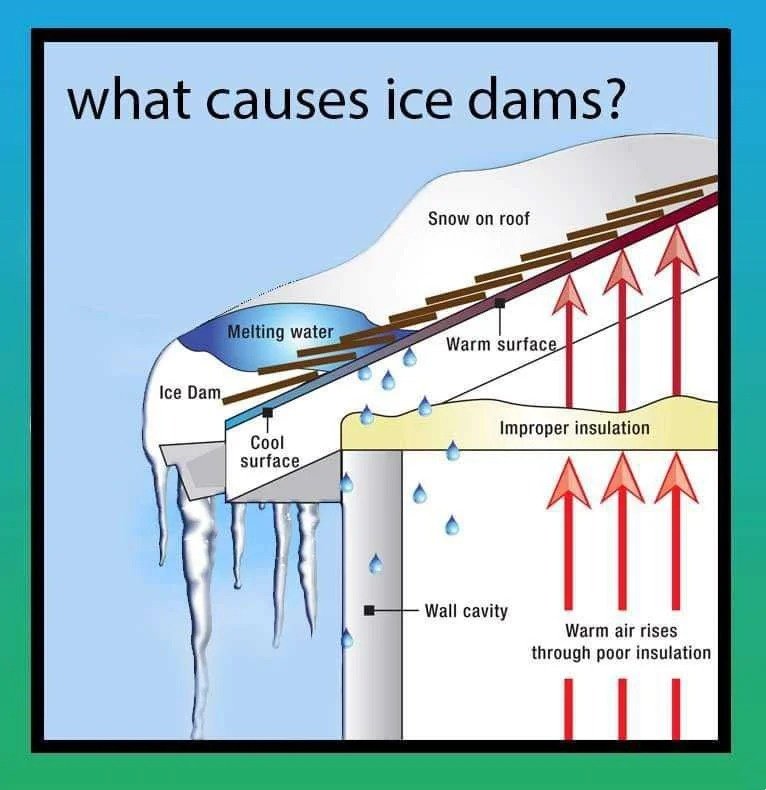
Ice dams form when the snow on your roof melts and then refreezes at the roof’s edge, typically over the eaves. This happens because the warm air from your home escapes through the roof, melting the snow. As the water flows down the roof and reaches the colder eaves, it refreezes, forming an ice dam. This dam traps more water behind it, which can then seep under the shingles and into your home, causing water damage.
❄️Want to learn more about how to prevent ice dams at bay? Using a roof rake safely is key! Check this out.
Impact of Ice Dams on Roofs and Gutters
Ice dams are not only bad for your roof; they can also wreak havoc on your gutters. The weight of the ice can cause gutters to sag or even pull away from the house, leading to costly repairs. Moreover, the water trapped by the ice dam can find its way into your roof’s structure, leading to leaks, mold growth, and damage to insulation and walls.
Preventive Measures: Heating Cables, Insulation, Ventilation
Preventing ice dams is all about managing the heat loss from your home and ensuring proper drainage on your roof.
- Heating Cables: These cables can be installed along the edge of your roof to prevent the formation of ice dams. They work by keeping the roof edge just warm enough to allow snow to melt and drain away rather than refreeze.
- Insulation: Improving your attic insulation helps to keep warm air from escaping through the roof, which in turn keeps the roof surface cold and prevents snow from melting unevenly.
- Ventilation: Proper attic ventilation allows cold air to circulate, reducing the temperature difference between the roof’s surface and the outside air. This helps to prevent the melting and refreezing cycle that causes ice dams.
Improving Attic Insulation
Attic insulation plays a crucial role in preventing snow-related roof damage. It helps maintain a consistent temperature across your roof, reducing the risk of ice dams and excessive snowmelt.
How Insulation Affects Roof Temperature and Snow Melt
When your attic is poorly insulated, warm air from your home rises and escapes through the roof, causing the snow on top to melt. This can lead to ice dams and other issues. By improving insulation, you ensure that the attic remains closer to the outside temperature, preventing uneven snowmelt and reduce the risk of ice dam formation.
Recommended Insulationwarmer to prevent Materials and Techniques
The most commonly used materials for attic insulation include fiberglass, cellulose, and spray foam. Each has its benefits:
- Fiberglass: Easy to install and cost-effective, fiberglass insulation comes in batts or loose-fill forms. It’s great for covering large areas.
- Cellulose: Made from recycled paper, cellulose insulation is eco-friendly and provides good coverage, especially in hard-to-reach areas.
- Spray Foam: This insulation creates an airtight seal and provides excellent R-value (thermal resistance), making it ideal for homes in very cold climates.
When insulating your attic, make sure to seal any air leaks and consider adding a vapor barrier to prevent moisture from getting trapped in the insulation. This helps maintain your home’s energy efficiency and prevent condensation that can lead to mold growth.
Installing Heating Cables
Heating cables are a proactive way to prevent snow buildup and ice dams, providing a practical solution for maintaining your roof’s integrity during the winter.
How Heating Cables Work
Heating cables, also known as heat tape, are designed to be installed along the edges of your roof and in gutters. They work by gently warming these areas, preventing snow from accumulating and melting snow from refreezing. The cables are plugged into an outlet and can be controlled by a thermostat to turn on only when temperatures drop below freezing.
Where and How to Install Heating Cables
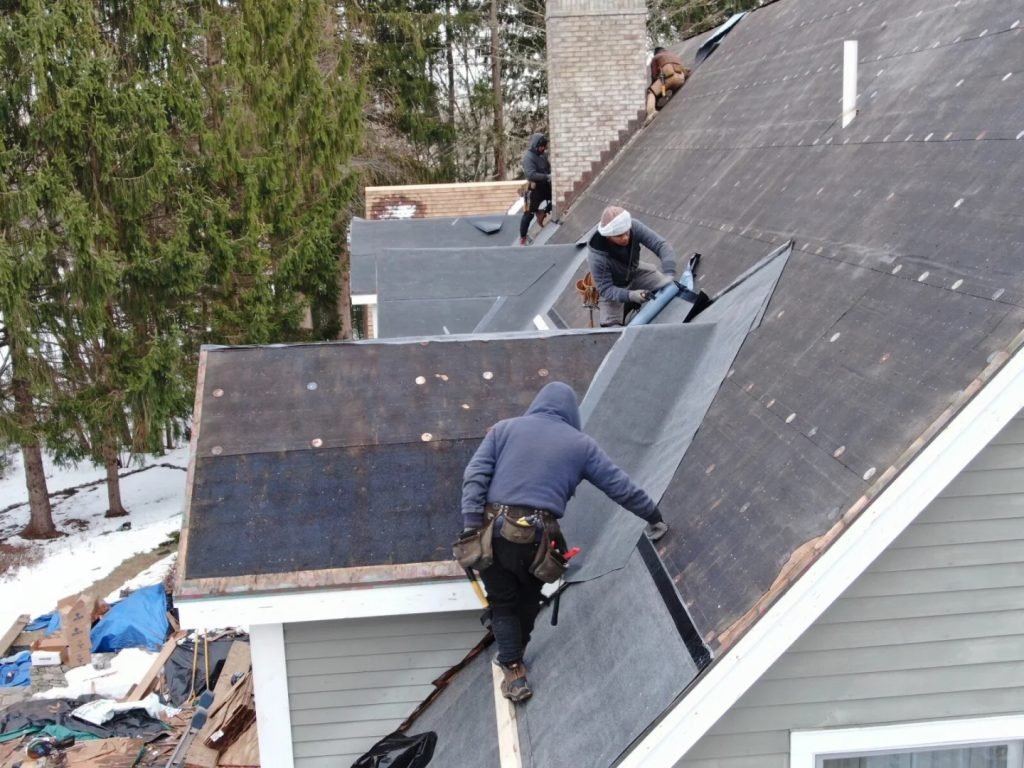
Heating cables should be installed in a zigzag pattern along the roof’s edge, where ice dams are most likely to form. They can also be placed in gutters and downspouts to ensure that water flows freely and doesn’t freeze inside. Installation is relatively straightforward but should be done with care to ensure the cables are securely fastened and connected to a safe power source. It’s often a good idea to have a professional handle the installation to avoid any potential electrical hazards.
Benefits and Considerations
The main benefit of heating cables is their ability to prevent ice dams and the associated damage to your roof and gutters. They are a relatively low-cost solution compared to repairing the damage caused by ice dams. However, there are some considerations to keep in mind:
- Energy Consumption: Heating cables do consume electricity, so it’s important to use them efficiently to avoid unnecessary costs.
- Maintenance: Regularly check the cables for wear and tear, especially at the beginning and end of the winter season.
- Effectiveness: While heating cables are effective, they work best when combined with other preventive measures like proper insulation and ventilation.
By implementing these key strategies, you can significantly reduce the risk of snow-related roof damage, ensuring your home stays safe and sound throughout the winter. Proactive measures such as regular snow removal, managing ice dams, improving insulation, and installing heating cables can help protect your roof and extend its lifespan.
Identifying Signs of Snow-Related Roof Damage
Winter can be tough on roofs, and knowing the signs of snow-related damage can save you from costly repairs down the line. Here’s what to look out for:
Structural Warning Signs
The weight of snow on your roof can cause serious structural issues if not addressed promptly. Here are some key indicators that your roof may be under strain:
Creaking, Groaning, and Other Unusual Noises
If you hear creaking, groaning, or other unusual sounds coming from above, don’t ignore them. These noises can be a sign that your roof is struggling to bear the weight of the snow. It’s important to take these sounds seriously, as they can indicate that your roof is nearing its load limit, and immediate action is necessary.
Visible Sagging or Deformation in Roof Structure
Visible sagging or deformation in your roof is another red flag. This can occur when the snow’s weight causes the roof to bow under pressure, leading to a dip or curve where there should be a straight line. Check for any areas that look uneven or seem to be sagging – this could indicate a severe issue that needs professional attention.
Water Damage Indicators
Water damage is a common consequence of snow buildup on roofs, especially if ice dams are present. Identifying the signs of water damage early can help prevent more extensive problems.
Water Spots, Mold Growth, and Ceiling Stains
Keep an eye out for water spots, mold growth, or stains on your ceiling. These are clear indicators that moisture has seeped through your roof, possibly due to snowmelt or ice dams. Water spots often start as small, discolored patches but can spread if not addressed, leading to mold growth and further structural damage.
How to Identify and Address Water Damage Early
Ice Dams and Roof Leaks
Early identification of water damage can save you a lot of trouble. Regularly inspect your ceilings and attic for any signs of moisture or discoloration. If you spot any, act quickly by drying out the affected area and sealing any leaks. It’s also wise to call a professional to assess the extent of the damage and ensure that the root cause is addressed.
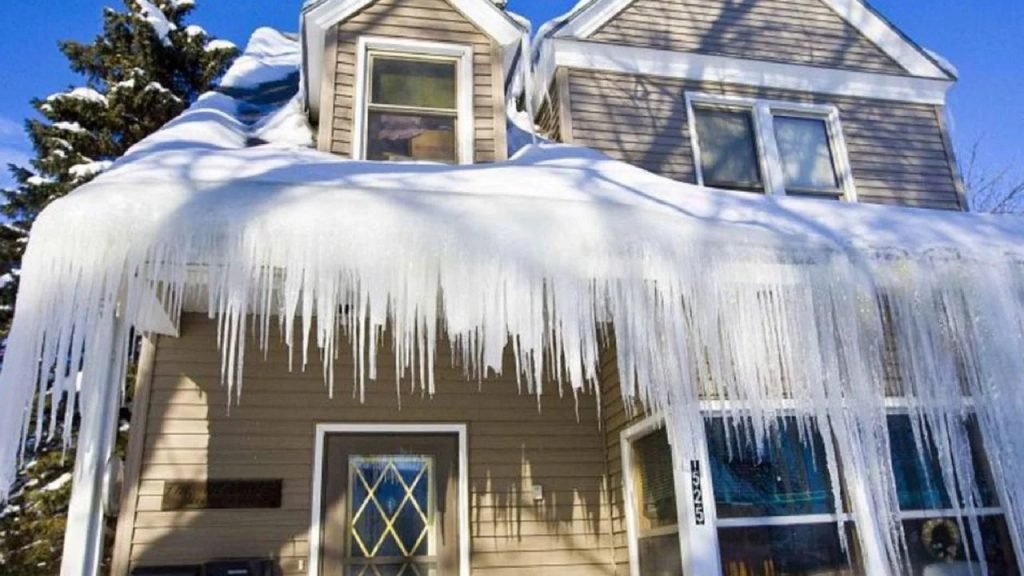
Recognizing the Signs of Ice Dams
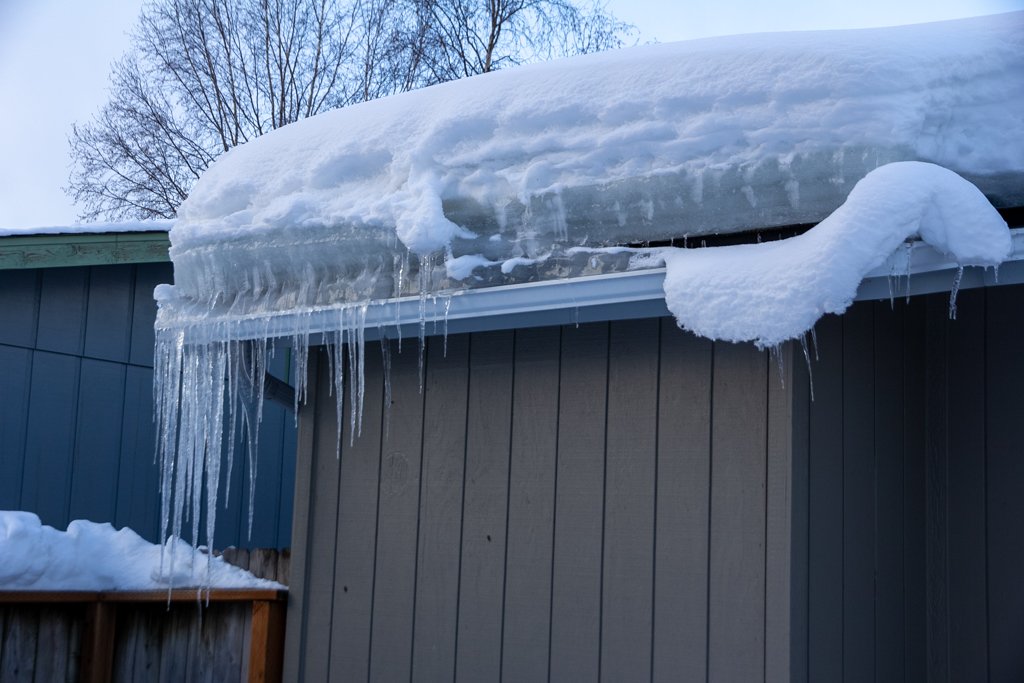
The first sign of an ice dam is usually a ridge of ice along the edge of your roof, accompanied by icicles hanging from the eaves. While icicles can look pretty, they’re often a sign that an ice dam is forming. Inside your home, you might notice water dripping from the ceiling or down the walls, particularly near exterior walls, as the trapped water from the ice dam has nowhere else to go.
Immediate Steps to Take When You Notice Roof Leaks
If you notice a roof leak, especially during or after heavy snowfall, it’s crucial to act immediately. Move any valuables away from the leaking area and place a bucket to catch the dripping water. Try to locate the source of the leak from inside your attic if possible. Temporarily stop the leak by placing a tarp over the area or using a roof rake to carefully remove snow. Then, contact a professional to repair the leak and address any ice dams or other underlying issues.
Staying vigilant about these warning signs and taking prompt action can help protect your home from the damaging effects of snow buildup on your roof. Regular inspections and maintenance are key to ensuring that your roof remains in good shape throughout the winter months.
Emergency Response to Snow Buildup
Snow buildup on your roof can lead to serious issues, and knowing when to seek professional help is crucial. Here’s how to respond in emergencies and handle snow-related roof problems effectively.
When to Call a Professional
Knowing when to call a professional is key to preventing severe damage. Here’s a guide to help you decide:
Situations Requiring Professional Roofers
If you notice signs of significant snow accumulation, structural deformation, or persistent leaks, it’s time to call a roofing expert. A professional should be contacted if:
- The snow buildup exceeds 6 inches or seems unusually dense.
- You hear creaking or groaning sounds indicating possible structural strain.
- There are visible signs of sagging or deformation in the roof structure.
- Water damage is evident inside your home, especially if it’s persistent or worsening.
Choosing the Right Professional for the Job
When selecting a roofing contractor, ensure they are experienced in handling winter-related roof issues. Look for:
- Credentials and Experience: Verify that they are licensed and have experience dealing with snow-related problems.
- References and Reviews: Check reviews and ask for references to gauge their reliability.
- Insurance: Confirm that they have insurance to cover any potential damage or accidents during the job.
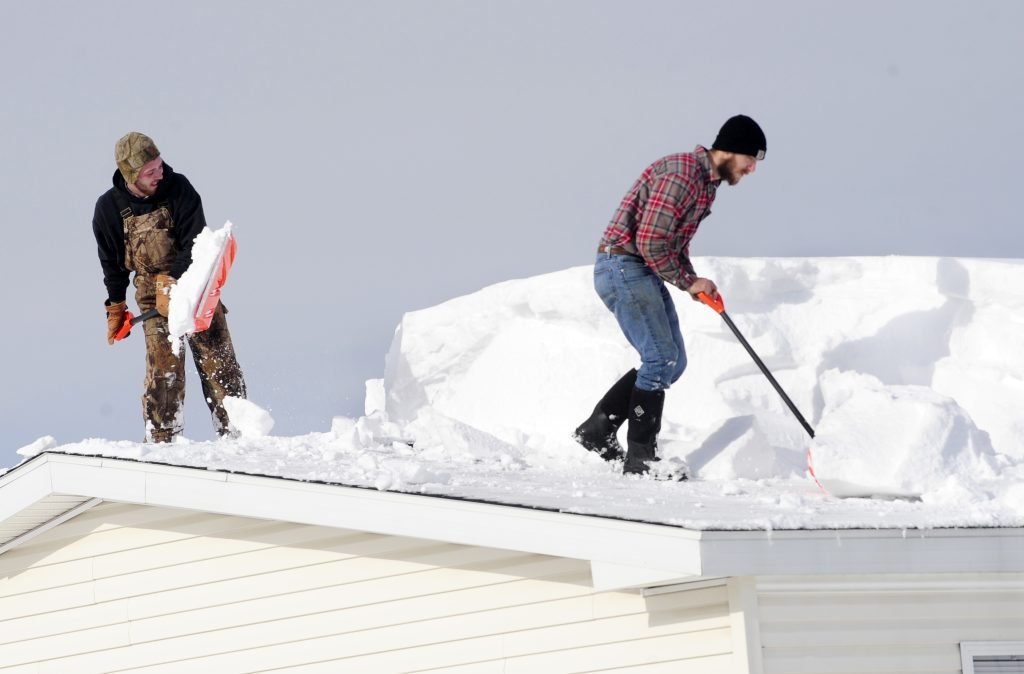
Emergency Snow Removal Techniques
In emergencies, quick action can prevent further damage. Here’s how to handle snow buildup safely:
Handling Roof Collapse Risks
In extreme cases, the weight of the snow may pose a risk of roof collapse. Here’s what to do:
Identifying Signs of Imminent Collapse
Look for these warning signs that your roof might be at risk of collapsing:
- Severe Sagging: Significant and visible sagging in the roof structure.
- Cracks in Walls or Ceiling: Large cracks or separation in the walls or ceiling, especially around windows and doors.
- Unusual Sounds: Persistent loud creaks or groans coming from the roof.
Steps to Take in Case of a Roof Collapse
If you suspect a risk of collapse or if it happens, follow these steps:
- Evacuate the Area: Immediately get everyone out of the building to ensure safety.
- Contact Emergency Services: Call local emergency services to get help and report the situation.
- Avoid Entering the Building: Do not enter the building until it has been inspected and deemed safe by professionals.
Addressing snow buildup and related emergencies promptly can help protect your home and ensure safety during winter. Keep these guidelines in mind to effectively manage roof snow issues and minimize risks.
Frequently Asked Questions (FAQ)
What is the ideal roof pitch for snow accumulation?
The ideal roof pitch for handling snow is a steeper slope, typically between 30 and 45 degrees. Steeper roofs allow snow to slide off more easily, reducing the risk of excessive accumulation and potential damage. Roofs with a shallow pitch, on the other hand, are more prone to snow buildup, which can lead to increased stress and potential structural issues.
How much snow is too much for my roof?
While there’s no exact amount that constitutes “too much,” most experts recommend clearing snow if it accumulates beyond 6 inches to prevent overloading your roof. The weight of snow can vary significantly based on its density—fresh, fluffy snow weighs less than compacted or wet snow. Regular inspections and timely removal are key to avoiding damage.
Can I use salt to melt snow on my roof?
Using salt or other de-icing chemicals on your roof is generally not recommended. Salt can damage roofing materials and harm the environment. Instead, focus on safe snow removal techniques and consider installing heating cables designed specifically for melting snow and ice. These solutions are more effective and less damaging to your roof.
What are the risks of ignoring snow buildup on my roof?
Ignoring snow buildup can lead to several serious issues, including roof collapse, leaks, and structural damage. As snow accumulates and compacts, it adds significant weight that can stress your roof. This can result in damage to roofing materials, ice dams forming, and water leaks into your home. Prompt snow removal and regular maintenance are crucial to preventing these risks and ensuring your roof’s longevity.
Conclusion
Snow buildup on your roof is more than just a winter inconvenience—it’s a potential hazard that can lead to serious damage if not properly managed. As we’ve discussed, snow accumulation can add significant weight and strain to your roof, especially if it’s compacted or if your roof has a low pitch. Regular snow removal, installing heating cables, and improving attic insulation are essential steps in preventing damage and ensuring your roof stays in top condition.
Don’t wait until you notice problems like leaks or unusual noises. Address snow buildup proactively to safeguard your home. Remember, “If you notice signs of significant snow accumulation, structural deformation, or persistent leaks, it’s time to call a roofing expert. These steps can now save you from costly repairs and ensure your home remains safe and cozy throughout the winter. For any issues or concerns, don’t hesitate to contact us at Lifetime Roofing. Your roof’s health is too important to overlook—act now and protect your home today!